
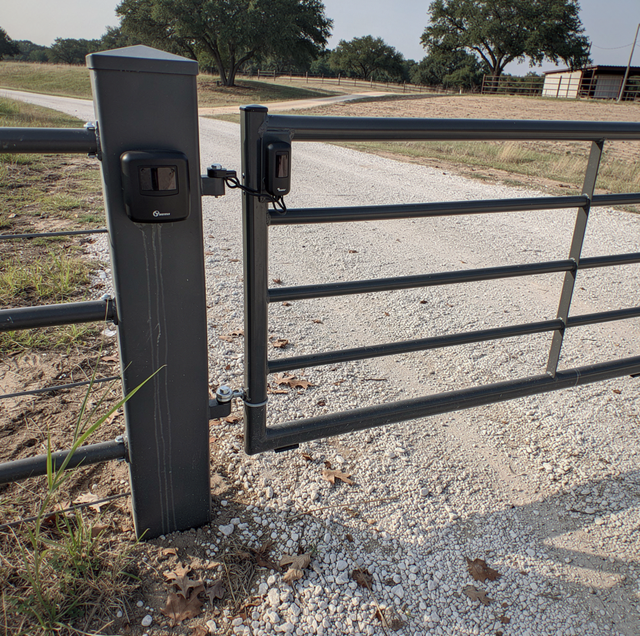
Where Photo Eyes Belong on an Automatic Driveway Gate
A photo eye on an automatic gate projects an infrared beam, invisible to the eye, across a strip of ground that the gate leaf, or a vehicle using the gate, has to pass through.
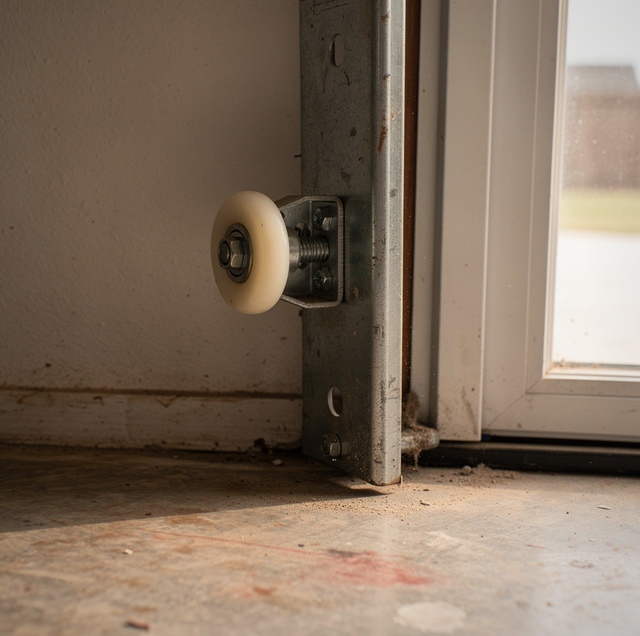
Nylon vs. Steel Garage Door Rollers: Which Runs Quieter
A garage door roller looks like a minor part until the wrong one is on the door.
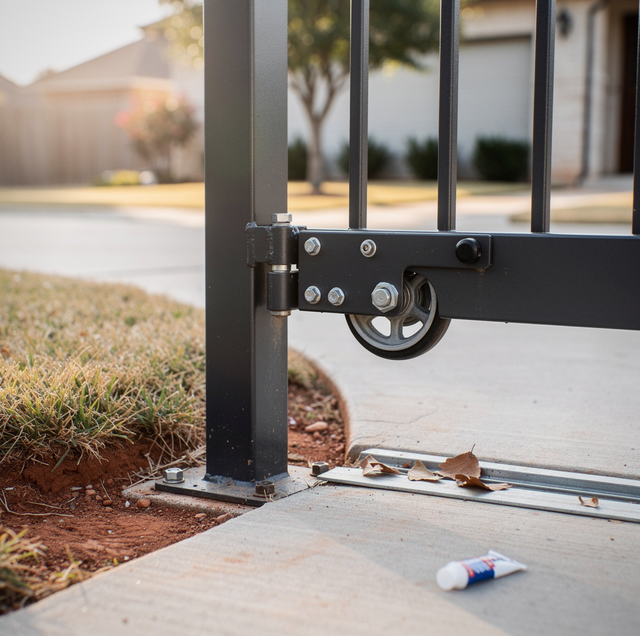
Driveway Gate Maintenance: A Season-by-Season Checklist for North Texas Homeowners
A driveway gate that worked perfectly last spring can start sticking, stalling, or refusing to latch by the time the first cold front rolls through.

Low Headroom Garage Doors: Track Options When Space Is Tight
Headroom is the space between the top of a garage door's opening and whatever sits closest above it, whether that is a bare ceiling, a beam, a duct run, or a sloped section of roof.

Why Your Garage Door Sticks or Binds Halfway Up Every Time
The door starts up smoothly, clears the first foot or two, and then hesitates at the same spot it always does.

Blinking Garage Door Sensor Light: Read It Before You Touch It
Down by the track, a few inches off the concrete, one of the two small black boxes has a light that will not stop blinking.

US Automatic vs. LiftMaster: Where Two Gate Operators Split
Your installer hands you an estimate with a brand name on it, and the name means nothing to you yet.

Garage Door Keypad Stopped Working in the Heat? What Fails First
You punch in the same four digits you have used for years. The keys light up under your finger, the pad chirps, and the door stays exactly where it is.

Garage Door Frozen to the Concrete: What Actually Breaks
The first hard freeze arrives a few hours before dawn. By seven the calls start, and most describe the same morning: the button got pressed, the opener groaned, and the door did not move an inch.

Automating a Manual Gate: What Determines the Right Operator
Rain is coming in sideways across the field, and you are standing at the end of a long gravel drive in a rubber boot, both hands on a fourteen-foot iron gate that has swollen tight in its hinges.

Told the Whole System Needs Replacing? Ask This First
You called about one problem. Maybe the door groaned every time it opened, or the opener started running longer than it used to before the door actually moved.

Garage Door Beyond Repair? 4 Signs It's Time to Replace
A garage door rarely fails as one clean event. It wears down as a string of small compromises: a track that's drifted a little out of true, a seam where the coating has broken and rust has begun to form, and a spring nearing the end of its rated cycles.

How to Test Auto-Reverse and Photo-Eyes the Right Way
A garage door can weigh well over a hundred pounds, and it's supposed to stop or reverse before that weight reaches something soft, a foot, a hand, a pet crossing at the wrong moment.

Garage Door Rollers Shedding Bearings: Why It Happens
A door that used to glide now grinds. A few silvery specks show up on the floor near the track, and you assume it's dirt until you look closer and realize it's metal.

Opener Hums, Door Won't Move? It's Rarely the Motor
You press the remote, or reach over and hit the wall button, and the ceiling unit answers right away with a low, steady hum, sometimes with a light flicker.

LiftMaster vs Genie vs. Chamberlain — What Separates Them
Three boxes sit on a shelf: one printed with LiftMaster's mark, one in Chamberlain's blue, one carrying Genie's own logo.

Why Is My Garage Door So Loud? 7 Noises Decoded
You pull into the driveway, hit the button, and the whole thing announces itself to the neighborhood.

How Long Do Garage Door Openers Last — Count the Cycles
Monday morning the door goes up for the first car and comes back down. Twenty minutes later, it runs again for the second time.

Garage Door Opens by Itself — What's Triggering It
You are at the kitchen table, or half asleep in bed, when you hear it: the low grind of the opener rail engaging, then the door itself climbing its track.

Garage Door Won’t Close All the Way? What Else to Check
Most guides to a garage door that won't seat start and end with the photo-eye sensors, and for good reason: dirty or misaligned eyes cause the majority of these calls.